Verdú
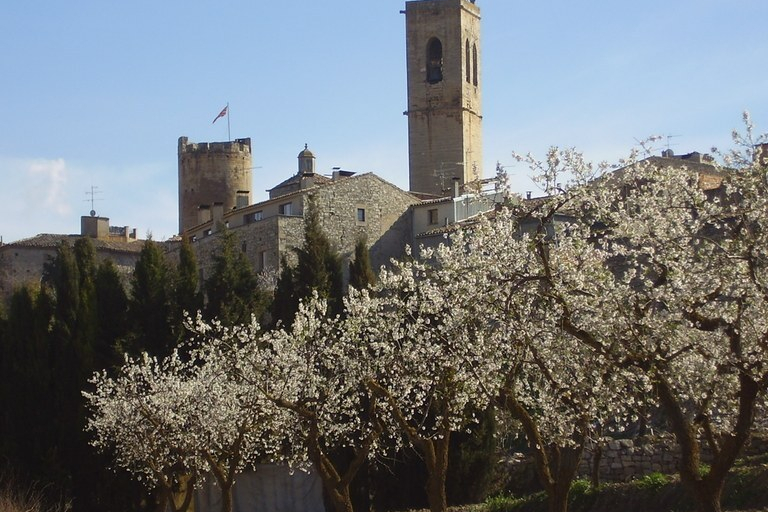
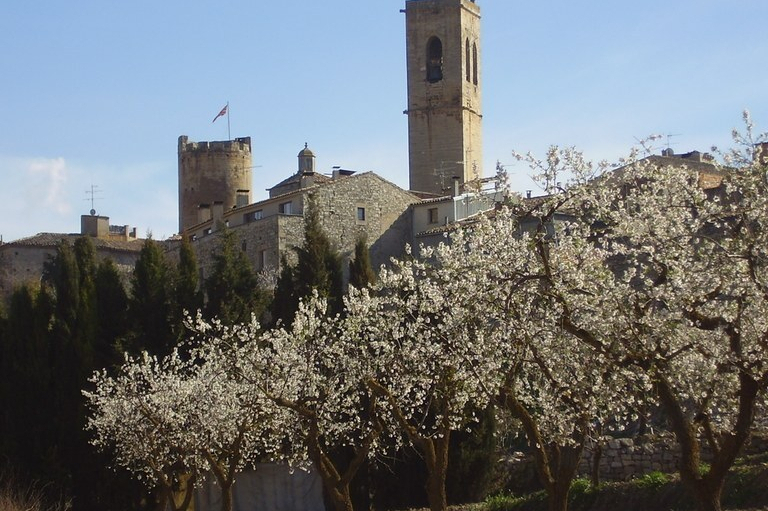
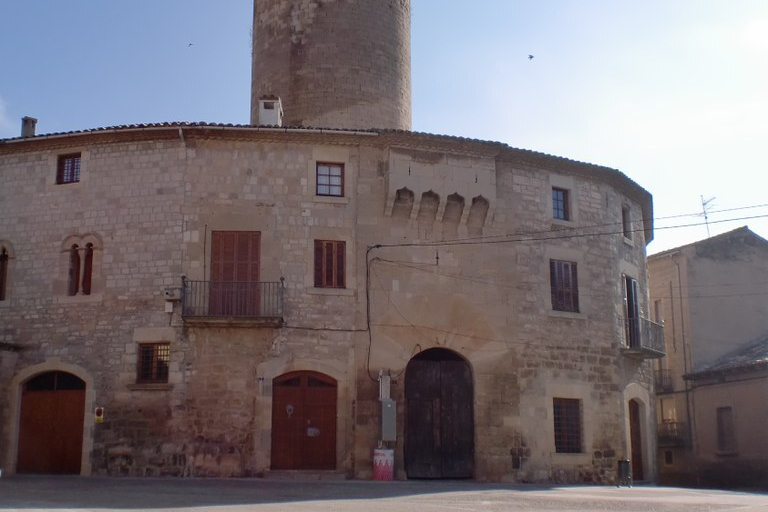
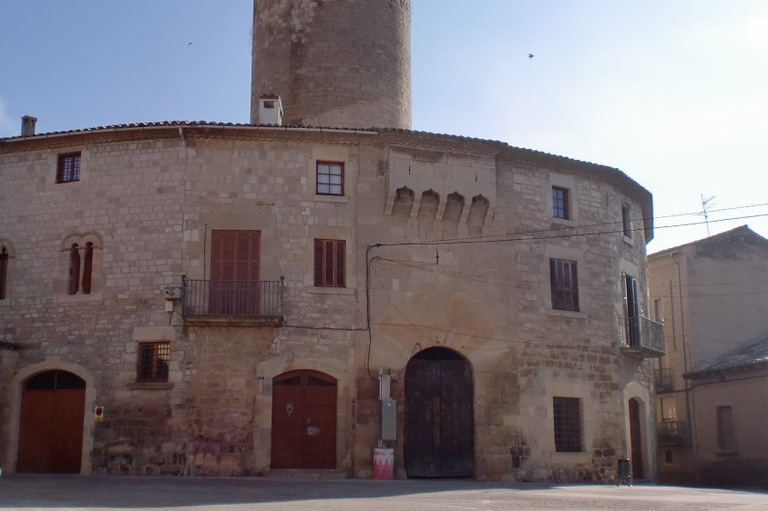
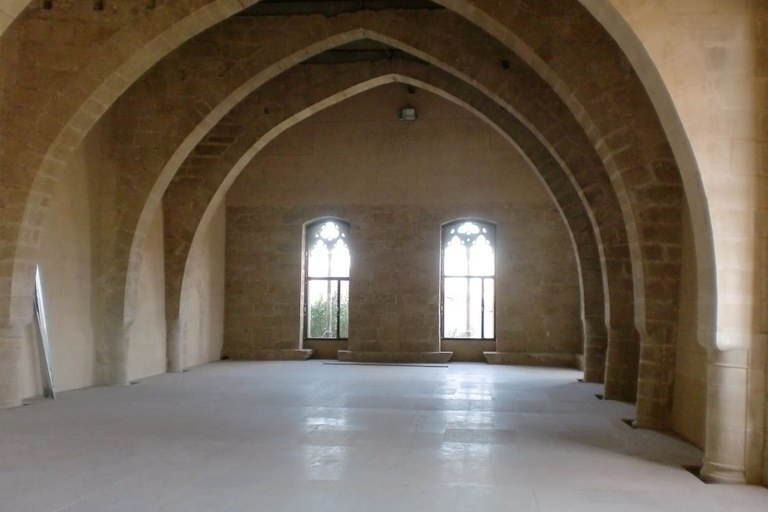
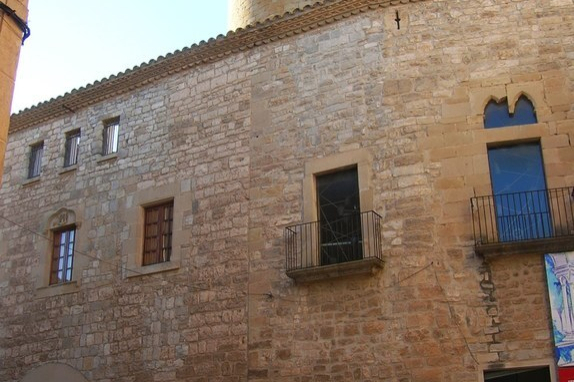
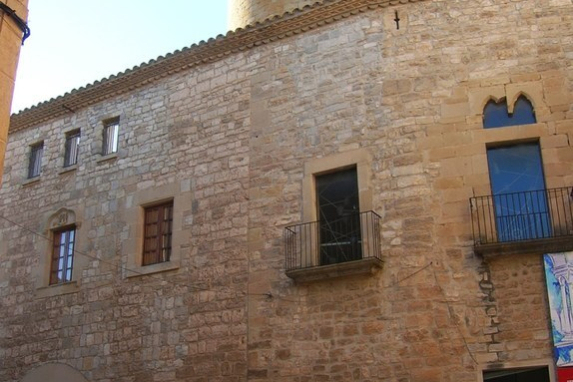
The municipality of Verdú, located in the southeast of the Urgell region, is dominated by Verdú Castle, the origin of the town and its most emblematic building. It is one of the oldest settlements in Catalonia; remains from different periods, such as prehistory, Iberian, Roman, and medieval, have been found there, confirming this.
Known for its medieval heritage, black pottery and for being the birthplace of Saint Peter Claver, Verdú is a perfect synthesis of what defines the Lleida plain: land, work and continuity.
History
Following the conquest by Ramon Berenguer I, around 1056, Verdú begins to appear in medieval documents. The first known text that mentions the castle and territory of Verdú dates from 1081, and cites Arnau Company and his wife Guilla as lords.
In the mid- 12th century, the fate of the village became intertwined with the Catalan nobility. Lord Berenguer d'Anglesola, founder of the Barony of Bellpuig, gave the castle of Verdú as a dowry to his daughter Berenguera upon her marriage to Guillem de Cervera in 1164. The donation included not only the castle and the town, but also the surrounding territory and all its inhabitants.
Berenguera, who later retired to the Monastery of Vallbona de les Monges, was a key figure in the urban and social development of Verdú. He granted a charter to the inhabitants scattered across farmhouses and small hamlets, encouraging them to build houses on the castle plain. He also absolved feudal dues such as the luismo and the eixorquia, and promoted the construction of walls, gates, and towers that would shape the medieval walled town.
His son, Guillem IV de Cervera, mortgaged the castle to the Monastery of Poblet, thus beginning a vassalage relationship that would last more than six hundred years. During this long period, Verdú remained under the spiritual, economic, and administrative influence of the monks of Poblet, who played a decisive role in local development.
In the 13th century, the new Church of Santa María de Verdú was built on the site of the old church of San Nicolás, which would become the center of religious and social life.
Over time, the town grew beyond its original walls. By the 15th century, Verdú had expanded beyond its original boundaries, and its population was increasing thanks to the privileges and exemptions granted by the monks of Poblet. Among these, the right to hold a fair, granted by King Pere III the Ceremonious in 1378, stands out, consolidating Verdú as a commercial center and regional meeting point.
During the 17th century, spiritual life experienced a golden age. Prominent figures from this period include Joan Terés i Borrull, Archbishop of Tarragona and Viceroy of Catalonia (1602-1603), and Pere Claver, born in Verdú in 1580, a Jesuit missionary in Cartagena de Indias and canonized in 1888.
The imprint of those centuries has left a compact historical core, an urbanism of narrow alleyways and stone buildings that evoke a history of faith, work and resistance.
Places of interest
Verdú Castle
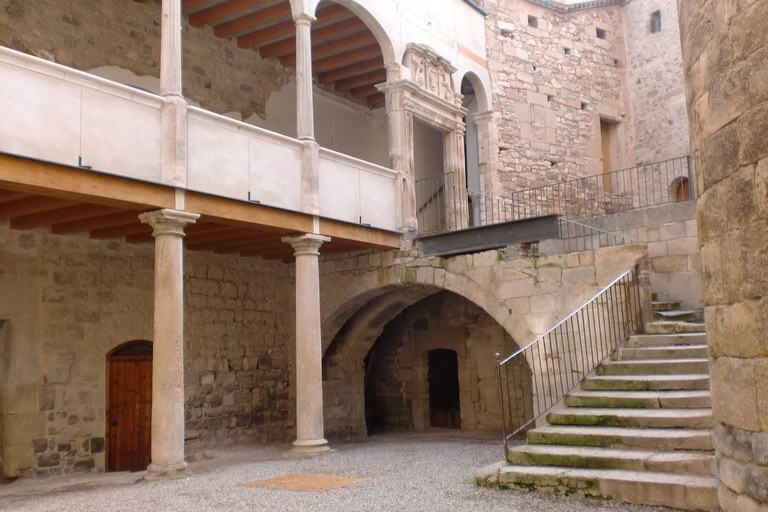
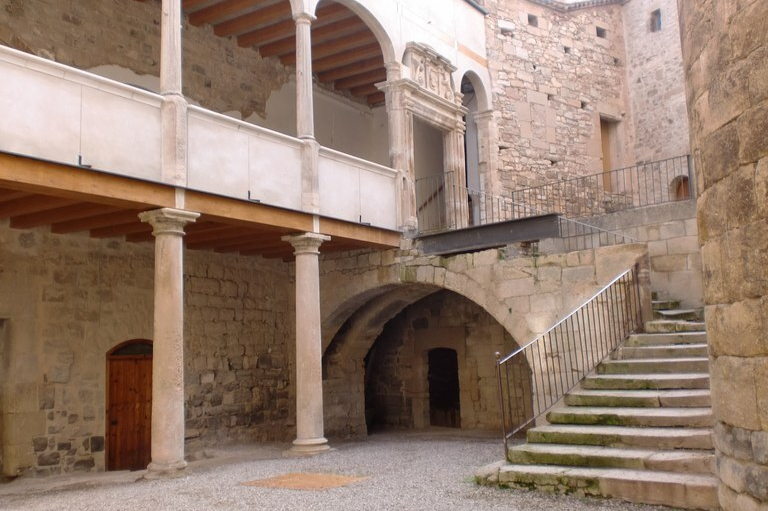
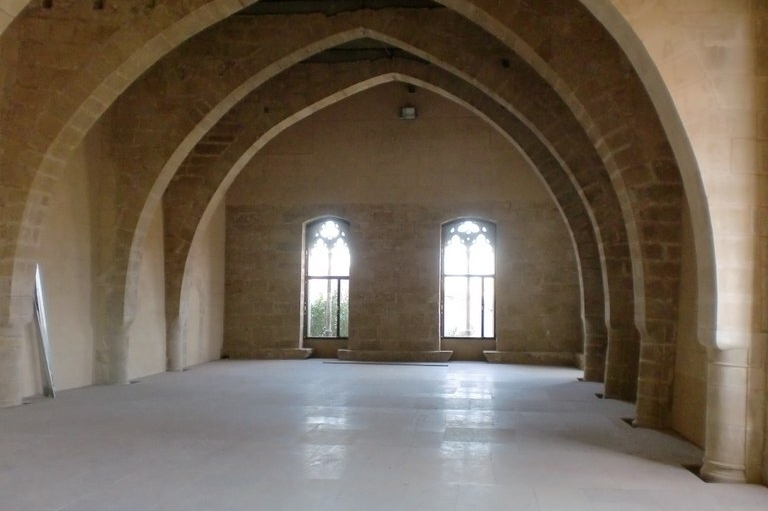
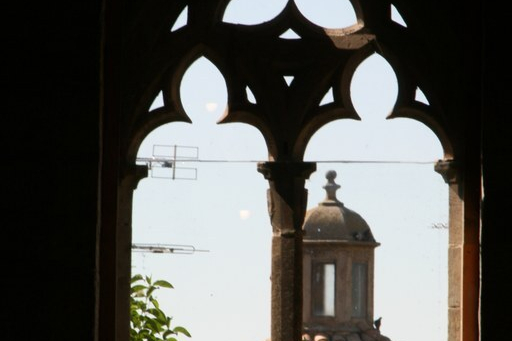
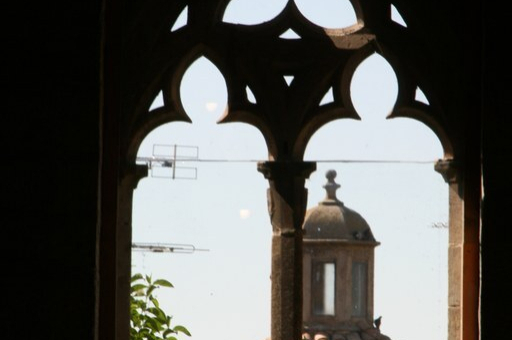
Verdú Castle is one of the symbols of the municipality and one of the most unique fortresses in Urgell. Built between the 11th and 12th centuries, it preserves Romanesque, Gothic, and Renaissance elements resulting from successive expansions.
For centuries it was a residence for noblemen, then a dependency of the Poblet Monastery, and later, in the 19th century, it was subdivided and privatized. Since 1988, the City Council has been restoring it, and today it can be visited as a heritage and cultural site, with exhibitions and educational activities.
Its halls and towers allow us to understand the strategic role of the castle and the transformations that the town underwent around it.
Church of Saint Mary
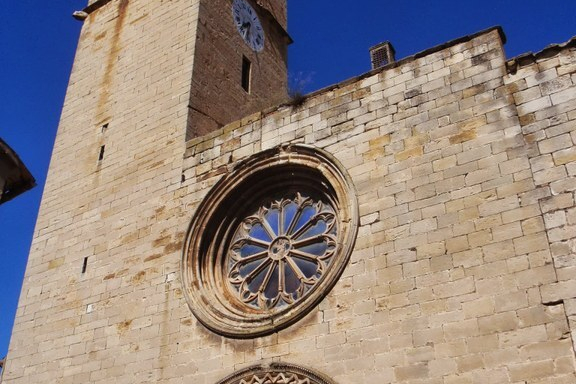
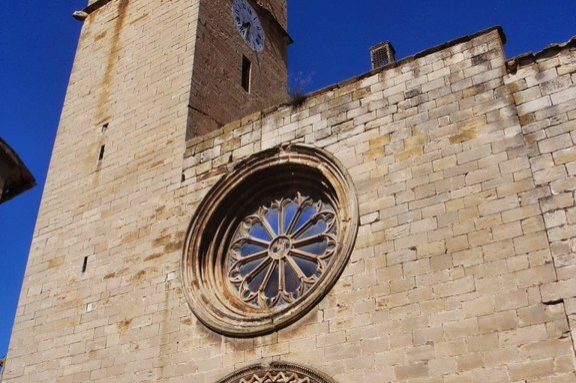
Built in the 13th century on the site of the former church of San Nicolás, the parish church of Santa María features a combination of Romanesque and Gothic styles. The monumental portal with archivolts and sculpted capitals is one of its most outstanding features.
Inside, Baroque altarpieces are preserved, such as that of the Immaculate Conception (1623), a work by Agustí Pujol, one of the most important sculptors of the Catalan Baroque. The church, located in the heart of the village, remains today its spiritual center and a first-rate point of artistic interest.
Sanctuary of Saint Peter Claver
Located just minutes from the historic center, the Sanctuary of Saint Peter Claver is a place of reflection and remembrance. The Jesuit saint was born here in 1580, and today the sanctuary houses objects, documents, and relics related to his life and work.
The complex comprises the birthplace, a small museum, and the sanctuary church, a pilgrimage site and spiritual center for many visitors. The site is a symbol of devotion and local identity, representing Verdú's commitment to solidarity and justice.
Hermitage of San Miguel
To the west of the town, surrounded by fields and ancient paths, stands the hermitage of San Miguel, documented as early as the 14th century. According to tradition, it was erected by the Cervera family as a votive offering of gratitude.
Although it suffered looting during the Civil War, the hermitage retains its original structure and is one of the simplest but most beloved architectural gems for the inhabitants of Verdú.
Iberian settlement of Los Estinclells
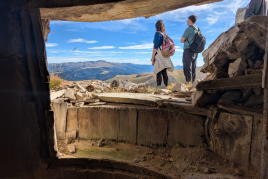
This is an Iberian site from the 3rd century BC with a single phase of occupation that was abandoned at the end of the 2nd century BC, datable to around 200 BC. The Ilergete fortress of Estinclells is basically made up of a set of defensive elements, a moat and walls, and a series of attached houses of different sizes arranged around a paved street and a central pool.
Archaeologists have reconstructed three houses that are part of a complex where various activities take place. Book your tickets here!
Tradition and ceramics
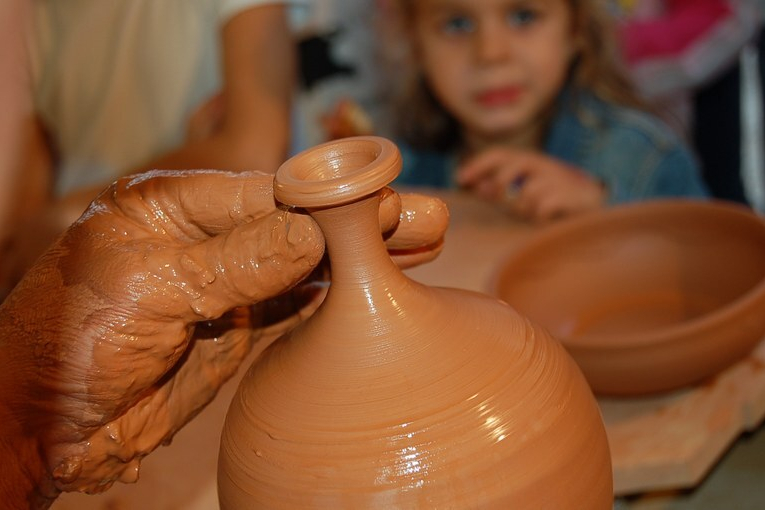
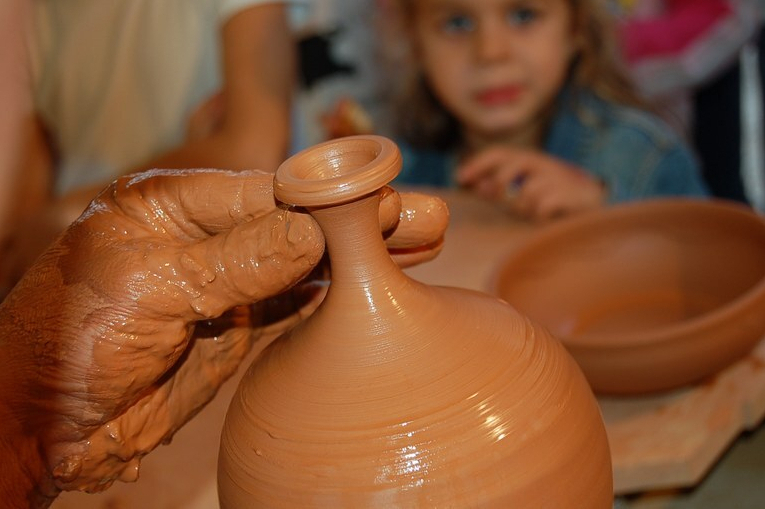
One of the town's most distinctive features is its black pottery, produced using techniques dating back to the Middle Ages. This artisan tradition has made Verdú a benchmark for Catalan pottery, with workshops that continue to create unique and authentic pieces.
Currently, Verdú pottery has gone from being a practical pottery, with the traditional black jugs, to becoming a decorative product.
Verdú Ceramic Mural Route
The Ceramic Mural Route consists of around thirty murals scattered throughout the town. Although the themes are varied, they essentially tell the story of Verdú. We recommend exploring the network of alleyways and squares where you'll find the ceramic murals, all created by local potters from Verdú.
Very characteristic decorative elements that reflect a pottery tradition that we want to maintain.
Ignatian Way
The Ignatian Way is a Pilgrimage Route that recreates the journey made by Ignatius of Loyola from Loyola, his birthplace, to Manresa in 1522. The symbol that allows you to identify the paths it passes through is the tile with the sun.
Verdú is a key stop on this route, as it is the birthplace of Saint Peter Claver, the Catalan Jesuit saint (1580-1654). Today, Saint Peter Claver's birthplace serves as a refuge for pilgrims on the Ignatian Way, and the Sanctuary dedicated to the saint is also open to visitors.
Verdú today
Today, Verdú is a town known for its fine wine and black pottery. It lies within the Costers del Segre Designation of Origin and holds the distinction of being a Zone of Unique Crafts for its black pottery.
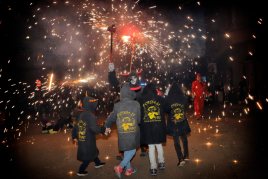
In September the Fiesta Mayor is celebrated in honor of San Pedro Claver, on September 9th, and at the end of the month the Fiesta de la Vendimia y el Vino (Wine Harvest Festival ).

Nearby routes
See all routes »- Cistercian Route: gastronomy in Vallbona…
- Urgell Canal pedal route (a 4.2 km)
- Culture and legends of Ponent in the… (a 4.2 km)
- Electric car route through the Lands… (a 4.2 km)
- Sanctuary of Santa Maria de la Bovera (a 6.2 km)
What to do
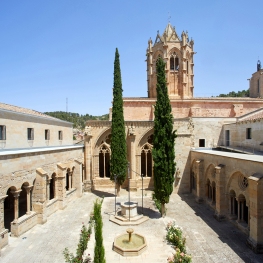
Reial Monestir de Santa Maria de Vallbona
Vallbona de les Monges (a 10.8 Km)An extraordinary space in which the passage of time is shared with…
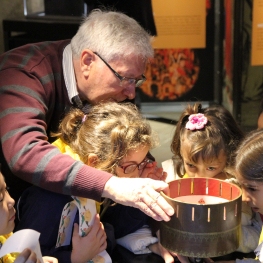
Espai museístic del Cinema - Col·lecció Josep Maria Queraltó
Vallbona de les Monges (a 10.7 Km)This is the first space dedicated to the seventh art in the…
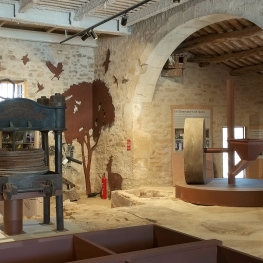
Espai Maldanell
Vallbona de les Monges (a 10.7 Km)Located in what was the first mill of the Vallbona farmers' cooperative…
Where to eat
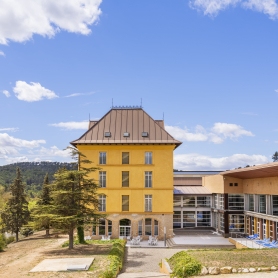
Iberik Rocallaura Balneari
Vallbona de les Monges (a 11.6 Km)Iberik Rocallaura Balneari is located on the Cistercian Route, in the municipality…
Where to sleep
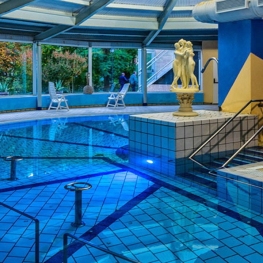
Hotel Balneari de Vallfogona de Riucorb
Vallfogona de Riucorb (a 10.9 Km)Enjoy the Hotel Balneario de Vallfogona de Riucorb, which has modern facilities…
Iberik Rocallaura Balneari
Vallbona de les Monges (a 11.6 Km)Iberik Rocallaura Balneari is located on the Cistercian Route, in the municipality…
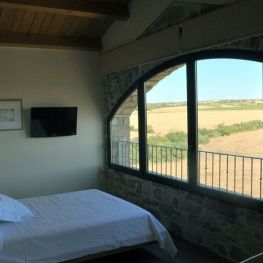

La Torre del Codina
Tàrrega (a 3.4 Km)The Torre del Codina is located in the municipality of Talladell, municipality…
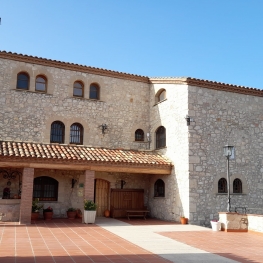
Mas Baldrich / Petit Mas Baldrich
Querol (a 28.2 Km)Mas Baldrich is a typical Catalan farmhouse built during the 19th century,…
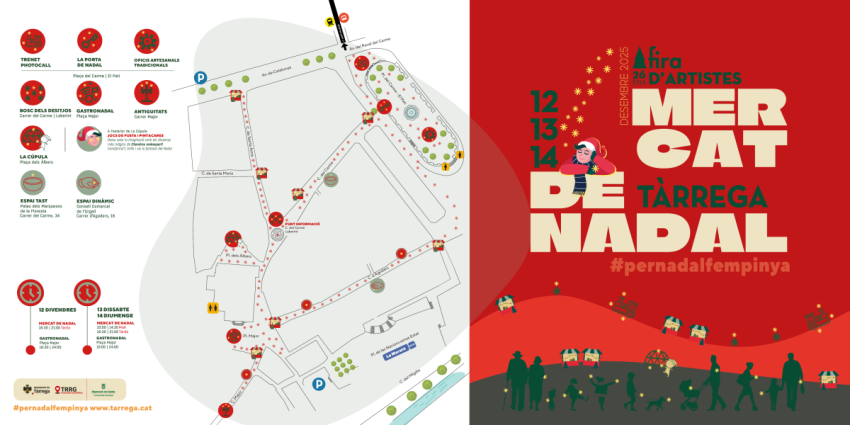
Events
Experiences
Showcooking "Entabland la Navidad" - Mas de Colom, Casa Borges
Mas de Colom, Casa Borges (Tàrrega) (a 6.6 Km)
Family workshop: Baking below zero - Mas de Colom, Casa Borges
Mas de Colom, Casa Borges (Tàrrega) (a 6.6 Km)
Weather forecast