

Museu del Torró i la Xocolata Vicens
Municipalities
Located right on Barcelona's Rambla, in a historic building dating back to 1910, lies a sweet and surprising experience: the Turrón and Chocolate Museum by Turrones Vicens. The space is not only a tribute to Catalan culinary culture but also a living example of how a family business has transformed tradition into a modern and universal offering.
An emblematic 370 m² space with a tasting room and workshop
The museum is located inside the Turrons Vicens store at 134 La Rambla, and from the very first moment, it's clear that this is no ordinary shop. The space is spacious, bright, and full of details that evoke the past. An internal staircase directly connects the commercial area to the museum, creating a seamless flow between the pleasure of shopping and the joy of discovering.
With 370 m² of exhibition space, the museum is designed to be educational, immersive, and sensory. It also features an exclusive tasting area, where visitors can enjoy unique flavors and limited-edition nougats and chocolates.
The nougat revolution: from 1775 to today
One of the central sections of the museum is the story of the nougat revolution in Agramunt, which began with the acquisition of Turrones Vicens by Ángel Velasco Pérez in 2000. Thanks to his vision and determination, a company founded in 1775 became the benchmark for nougat in Catalonia and Spain, breaking with the product's seasonality and turning it into a dessert enjoyed all year round.
This success was no coincidence: it's the result of a perfect blend of tradition, innovation, and quality — the three pillars of the brand. The museum explains how new flavors and formats were developed and how collaborations with renowned chefs such as Albert Adrià and José Andrés elevated nougat to new creative heights.
An immersive experience with cutting-edge technology
The museum isn't just for looking and reading. It's a fully immersive and technological experience featuring:
- 3D projections
- Holograms
- Video mapping
- An immersive room that transports visitors to the nougat-making past
These technologies help visitors understand, in a visual and engaging way, the history of Turrones Vicens, its evolution, and the importance of Agramunt in the world of nougat.
The history of Jolonch Chocolate: a living legend
Another highlight of the museum is the story of Chocolate Jolonch, one of the oldest chocolate brands in Europe (founded in 1770) and now owned by Turrons Vicens. To this day, it is made following the original recipe and using the finest ingredients.
A special room recreates an early 20th-century chocolate shop, with wooden modernist-style windows projecting images of old Barcelona. Visitors can admire period furniture, including a replica of a three-century-old wooden refrigerator, and see how an authentic chocolate mill worked, with holograms recreating the activity of an 18th-century factory.
Gastronomy, culture, and shared emotion
The Turrón and Chocolate Museum aims not only to educate but also to move and delight. The message is clear: chocolate and nougat are much more than sweets. They are part of collective memory, celebrations, and family life — true symbols of culture and identity.
Visitors don't just learn; they also taste and experience. The visit concludes with a tasting of unique flavors that allows them to appreciate the creativity and quality of Vicens products.
Come and discover it!
AD · ESTABLIMENTS_ESTABLIMENT · Slot: 3717948413
Nearby routes
From market to market in Barcelona
Barcelona
Barcelona's markets are filled with festive atmosphere of this time and offer their clients special moments that go beyond the purchase of an object. For this reason, since femTurisme, we encourage you to visit some of these venues in the city…
The battles of 1714
Barcelona, Cardona, Castellví de Rosanes, Corbera de Llobregat, Gaià, Gironella, La Seu d'Urgell, Manresa, Monistrol de Calders, Sallent, Sant Hilari Sacalm, Sant Llorenç Savall, Sant Martí Sarroca, Sant Quintí de Mediona, Sort, Talamanca
On this route femTurisme.cat offers a journey through the countries that suffered the most significant battles occurred during the year 1714. These are spread throughout Catalonia and predated the city Barcelona . This proposal follows a chronological…
Grand Tour de Catalunya - Section 5. From Surrealism to Modernism. From Figueres to Barcelona
Arenys de Mar, Barcelona, Begur, Blanes, Cadaqués, Caldes de Malavella, Canet de Mar, Figueres, Girona, L'Escala, Lloret de Mar, Manlleu, Mataró, Palafrugell, Palamós, Pals, Rupit i Pruit, Tossa de Mar, Vic, Viladrau
I want to do this route by electric vehicle! This route is designed to be done by electric vehicle, although it can be done with any other car. Along the route we will suggest municipalities that have charging points and places of interest…
The Academy of the Distrustful
Barcelona, Els Hostalets de Pierola
During the early 18th century, the educated Catalan aristocracy organized themselves to defend and delve deeper into their history and culture. This was a common practice in other European cities, and in Barcelona, this institution was known,…
The cities of the dead, the most unique cemeteries in Catalonia
Arenys de Mar, Barcelona, Bausen, Olius, Portbou
Death is a defining aspect of human existence, and a stroll through a cemetery offers insight into how people understand and experience the end of life. These so-called cities of the dead are often unfamiliar and solitary spaces, far removed…
Gaudí's Modernism Route
Barcelona
Modernism, the Catalan form of Art Nouveau, had Antoni Gaudí as the main representative of this style in Barcelona. On this route we will review the emblematic places of this great architect in Barcelona and the not so well known but…
Events
Chestnut tree and Halloween in Lliçà d'Amunt
7 NovemberNight of terror in Lliçà d'Amunt
7 NovemberMeet Your Coffee Awards Barcelona 2026
From 6 to 8 NovemberFestival 42 - Barcelona Fantasy Festival
From 4 to 8 November'La Moguda Gastronòmica' in Santa Perpètua de Mogoda
From 9 October to 8 NovemberBadalaboca! in Palau-solità i Plegamans
From 6 to 8 NovemberCasters de Terrassa Alloy Festival
From 7 to 8 November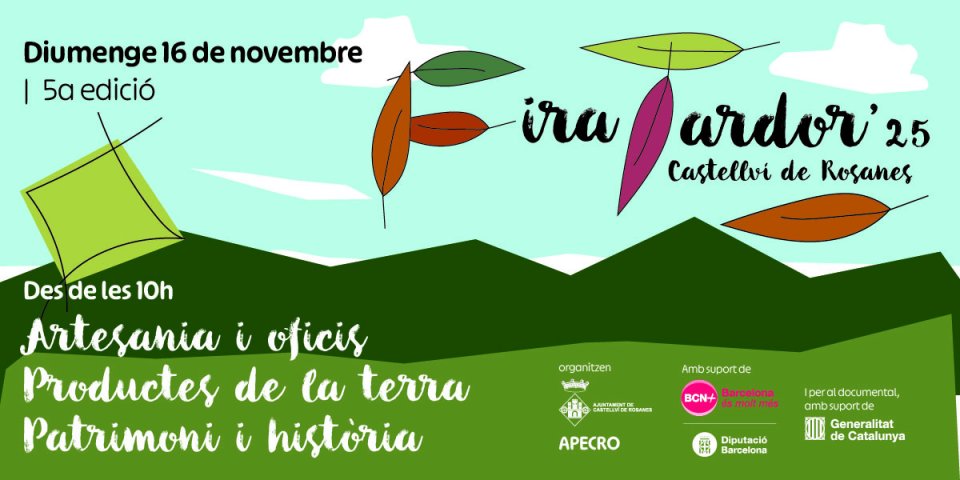
News
Iron architecture: the light and steam of industrial Catalonia
In the 19th century, the Industrial Revolution not only changed the way people worked and lived, but also profoundly transformed architecture. The arrival of new materials, such as cast iron, wrought iron, and glass, opened up possibilities…
Gothic Architecture: The light and height of medieval Catalonia
Gothic architecture marks a turning point in the history of Catalonia. It was the style that transformed cities, places of worship, and the way people built collectively. A style that changed not only the stone itself, but also the way people…






 Sustainable turism
 Biosphere